The Dos and Don'ts of Recycling Plastic at Home
Posted on 04/12/2025
According to the Environmental Protection Agency (EPA), only 9.1% of plastic waste is recycled in the United States. This is a concerning statistic, considering the fact that plastics take hundreds of years to decompose and can cause harm to our environment in the process.
As individuals, one of the easiest ways we can reduce our contribution to this problem is by properly recycling our plastic waste at home. However, not all plastics are created equal and there are certain dos and don'ts that must be followed for effective recycling. In this article, we will explore the dos and don'ts of recycling plastic at home to help you make a positive impact on our planet.
Do: Know Which Plastics Can Be Recycled
The first step in successful plastic recycling is knowing which types of plastic can actually be recycled. Most recycling facilities accept plastics with a resin code number 1-7, although it's always best to check with your local recycling guidelines. These codes are usually found on the bottom of plastic containers and indicate which type of plastic the item is made from.
Do: Clean and Sort Your Plastics
It may seem like common sense, but it's important to clean and sort your plastics before placing them in the recycling bin. Remove any food residue or liquids from bottles and containers, as well as any caps or lids. Sorting your plastics into different categories, such as bottles, containers, and bags, makes the process easier for recycling facilities.
Do: Flatten Plastic Containers
To save space in your recycling bin and make processing easier for facilities, flatten any plastic containers before placing them in the bin. This also helps prevent smaller items from falling through sorting machines.
Do: Consider Alternatives to Single-Use Plastics
One of the best ways to reduce your plastic waste is by choosing alternatives to single-use plastics. Invest in reusable water bottles, grocery bags, and containers instead of constantly relying on disposable options.
Don't: Recycle Plastic Bags and Wrappers
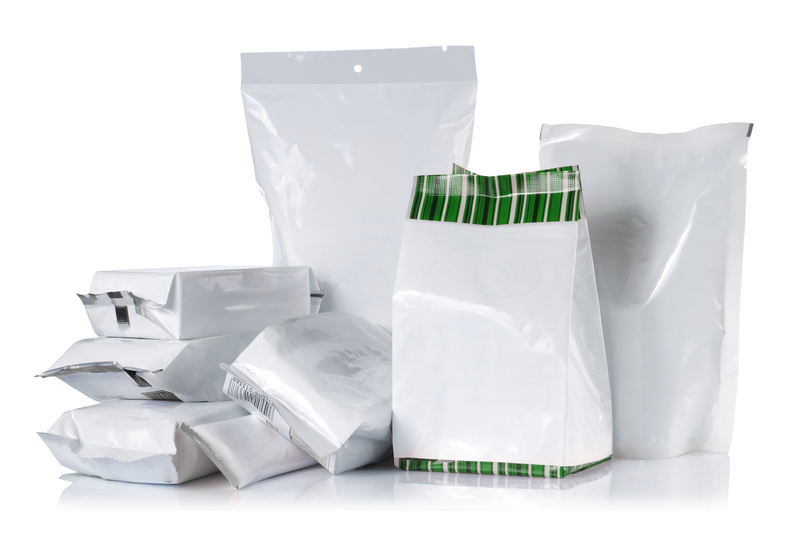
While plastic bags and wrappers may have a resin code, they can cause major problems for recycling facilities. These materials easily clog up sorting machines and can contaminate other recyclables. Instead, opt for cloth or reusable bags and try to avoid using plastic wrap when possible.
Don't: Throw In Non-Recyclable Plastics
Just because an item is made from plastic does not mean it can be recycled. Items such as Styrofoam, plastic utensils, and straws cannot be recycled and should be disposed of properly in the trash.
Don't: Assume All Plastics Can Be Recycled
As mentioned earlier, not all plastics are created equal. Some items with a resin code may still not be accepted at your local recycling facility due to their size or shape. It's always important to check with your local guidelines before placing an item in the recycling bin.
Pros of Recycling Plastic at Home
Recycling plastic has numerous benefits for the environment. First and foremost, it reduces the amount of plastic waste that ends up in landfills or our oceans, where it can harm wildlife and pollute our ecosystems. By recycling, we also reduce the need for new plastic production, which saves energy and resources.
Moreover, recycling plastic helps create jobs in the recycling industry and can even save money for communities by reducing waste management costs.
Tips for Effective Recycling
Here are a few tips to ensure your plastic recycling efforts are effective:
- Give your recycling bin a quick rinse every so often to prevent any sticky residue buildup.
- Remove any labels or packaging that are not made from plastic before recycling.
- Educate yourself on your local guidelines and recycling processes to ensure proper participation.
- Encourage friends and family to recycle their plastic waste as well.

Takeaways
Here are the main takeaways to keep in mind when it comes to recycling plastic at home:
- Be aware of which types of plastics can be recycled and properly clean and sort them before placing in the bin.
- Avoid non-recyclable plastics, such as bags and utensils, and consider using alternatives to single-use plastics.
- Check with your local guidelines to ensure proper recycling practices.
Conclusion
Recycling plastic at home may seem like a small effort, but it can have a big impact on our environment. By following these dos and don'ts, we can all do our part in reducing plastic waste and creating a more sustainable future. Let's make a conscious effort to recycle our plastic waste properly and encourage others to do the same for a healthier planet.