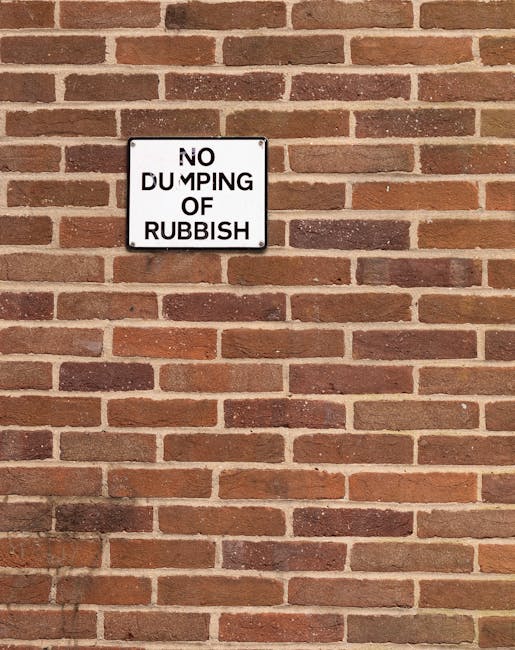
Holland Park estate bulky rubbish pickup rules
Posted on 23/05/2026
Holland Park estate bulky rubbish pickup rules: a practical resident's guide
If you live on or manage a Holland Park estate, bulky rubbish can become awkward fast. A sofa at the back of a hallway, a broken wardrobe after a move, a mattress that will not fit down the stairs properly, or a pile of packaging after a refit - it all sounds simple until you have to get it out of the building without upsetting neighbours, blocking access, or breaking estate rules. That is where Holland Park estate bulky rubbish pickup rules matter.
This guide explains how bulky item collection usually works on residential estates, what to check before you put anything out, and how to avoid the small mistakes that turn into big headaches. Truth be told, most problems are not about the rubbish itself. They are about timing, access, communication, and using the right disposal route. Get those parts right and the whole thing is much easier.
We also cover the practical side: what counts as bulky waste, who it is for, how to compare estate pickup with a private clearance, what compliance means in plain English, and when a local service such as domestic waste collection in Kensington or furniture removal support may be the cleaner, calmer option. Let's make it straightforward.
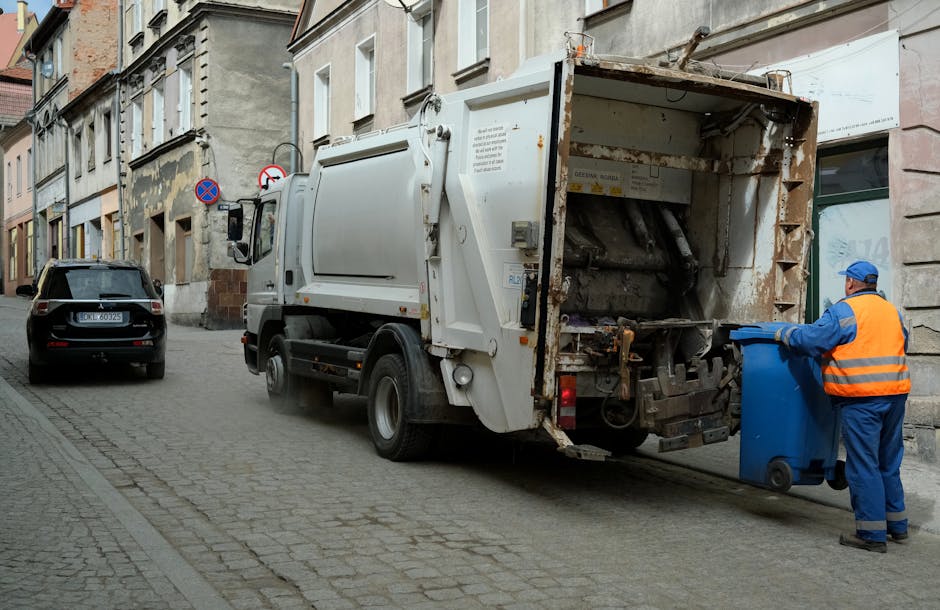
Why Holland Park estate bulky rubbish pickup rules matters
Estate rules for bulky waste are there for a reason. On a private or managed estate, the collection point may be shared, access can be tight, and the concierge, managing agent, or porter may need notice before anything is left outside. That is especially true in Holland Park, where buildings often have narrow service routes, controlled entrances, and residents who quite understandably do not want a battered armchair sitting in the lobby for two days.
The rules matter because bulky waste is not just "more rubbish." It is often heavy, awkward, and disruptive. One wrongly placed mattress can obstruct a bin store or create a fire escape issue. A fridge left out at the wrong time can become both a safety problem and a nuisance. And if you are moving out, selling, or handing back a flat, estate managers usually expect the area to be left tidy and clear. No one wants a last-minute scramble on move-out day. Not fun.
There is also a financial side. If you ignore the estate process, you may face extra handling charges, repeated contractor call-outs, or avoidable delays. In some cases, the wrong item left in the wrong place can be treated as fly-tipping or unauthorised dumping. That is the part people tend to underestimate.
If you are clearing multiple items, it may help to look at a wider service such as house clearance in Kensington or the broader services overview, especially when the job is more than one sofa and a lamp. For background on how the company approaches responsible disposal, the recycling and sustainability page is also useful.
Key takeaway: estate bulky waste rules are mainly about access, timing, safety, and shared responsibility. If you treat them like a simple kerbside drop-off, you will probably run into trouble.
How Holland Park estate bulky rubbish pickup rules works
Every estate has its own setup, so the exact process can vary. That said, bulky rubbish collection on a managed estate usually follows a similar pattern.
First, check who controls the estate. It may be the freeholder, managing agent, concierge team, or a residents' association. They will normally decide whether items can be left in a designated area, whether a contractor must collect directly from the flat, and which days and times are allowed. Some estates want a booking reference or a named resident contact before anything is moved. Others want items placed only in a marked service bay. Small detail, big difference.
Second, identify what the item actually is. A bulky item could be a sofa, bed frame, mattress, wardrobe, dining table, office chair, rug, or a white good such as a washing machine. Some estates treat electrical items differently because they need separate handling. If you are dealing with an appliance, the route may be closer to white goods and appliance disposal than standard general waste.
Third, confirm whether the estate expects residents to book their own removal or use a nominated contractor. This matters a lot. In many managed buildings, leaving a bulky item without approval is not permitted, even if the item is technically yours to dispose of. The estate may need to protect lifts, floors, walls, and common areas from damage.
Finally, understand the difference between a one-off bulky pickup and a full clearance. A single pickup is ideal for one or two items. A larger declutter, end-of-tenancy clean-out, or storage-room clear may need a more comprehensive approach, perhaps via furniture removal or a broader house clearance service. If the waste comes from a refurbishment, builder's debris, packaging, broken tiles, or fittings, then builders waste removal is usually the more relevant route.
One thing people often miss: estate rules and waste-disposal rules are not the same thing. The estate controls where and when items may be left. The waste carrier controls how the waste is collected, sorted, and taken away. Both need to line up, otherwise you are stuck in the middle trying to please everyone. Bit of a nuisance, yes, but manageable.
Key benefits and practical advantages
Following the estate's bulky rubbish process properly gives you more than just compliance. It saves time, reduces stress, and usually keeps the whole building calmer.
- Cleaner common areas: items do not linger in hallways, bin stores, or entrances.
- Lower risk of damage: fewer scrapes to walls, lifts, and stairwells.
- Less neighbour friction: no complaints about noise, mess, or blocked access.
- Better recycling outcomes: usable materials can be separated rather than dumped together.
- Faster move-outs: especially helpful if you are on a tight tenancy or sales timeline.
- Clearer responsibility: everyone knows who approved the pickup and when.
There is a quieter benefit too: peace of mind. When the item is scheduled, logged, and handled properly, you do not spend half the day wondering whether someone will object. That matters more than people admit.
If you care about responsible disposal, look for a provider that explains what happens to collected items and how recyclable materials are handled. The waste carrier licence and compliance page is a useful trust signal to review before you book anyone. A legitimate operator should be able to explain their process plainly.
Who this is for and when it makes sense
This guidance is most useful for residents, landlords, and managing agents dealing with shared-access housing in Holland Park and nearby parts of Kensington. In practical terms, it helps if you are:
- moving out of a flat and need to clear bulky items quickly;
- replacing old furniture after a renovation or redesign;
- handling tenant left-behinds after a tenancy ends;
- clearing storage cupboards, basements, or communal spaces;
- getting rid of a broken appliance that can no longer stay in the flat;
- working around estate restrictions on loading, parking, or access;
- trying to avoid making a mess in a polished communal entrance that, let's face it, shows every scuff.
Sometimes the decision is obvious. A single broken chair? A standard bulky pickup may do. A two-bedroom flat full of furniture, old textiles, and odds and ends? You may need a more complete service, perhaps paired with domestic waste collection if the load is mixed but not renovation-heavy.
For landlords and letting agents, the estate's own requirements often matter as much as the disposal itself. A tidy handover keeps deposit disputes, access complaints, and awkward follow-up calls to a minimum. Little things count. A lot.
Step-by-step guidance
If you want a smooth pickup, work through the job in order. Rushing the last bit is how problems creep in.
- Check the estate rules first. Ask the managing agent, concierge, or building manager where bulky items may be left, what the approved times are, and whether collection needs to be pre-booked.
- List every item. Separate furniture, appliances, electricals, garden waste, and builder's waste. Mixed loads can be accepted, but they need to be assessed properly.
- Measure access points. Stair width, lift size, turning space, and parking access all affect how the collection is carried out. A sofa that looks fine in the lounge may be awkward in the corridor. Happens all the time.
- Remove personal contents. Empty drawers, check cushions, and clear shelves. You would be surprised how often keys, paperwork, and chargers get left inside.
- Separate what can be reused or recycled. Metal parts, clean wood, certain plastics, and electrical components may be diverted rather than treated as mixed waste.
- Book the right service. If you only have a couple of items, a targeted collection may be enough. If you have a full room, compare options through pricing and quotes so you are not guessing.
- Confirm the pickup window. Make sure someone can grant access if needed. On some estates, the crew may not be allowed to wait around outside. That causes delays fast.
- Prepare the items safely. Remove glass shelves, tape loose doors shut if appropriate, and avoid blocking fire routes or entrances while you wait.
- Get confirmation after collection. Keep a record of what was removed, especially if you are a landlord, agent, or someone managing a move-out file.
If the job involves moving items through tight or shared spaces, a provider with strong safety procedures is worth its weight in gold. You can review their approach on the insurance and safety page, which is exactly the sort of thing you want to check before anyone starts lifting heavy furniture around a staircase.
A simple rule of thumb
If the item needs planning, lifting help, or coordination with building staff, it is not a "just leave it out front" job.
Expert tips for better results
Here are the practical habits that tend to make bulky waste pickups smoother in real buildings, not just on paper.
- Keep the concierge in the loop. A short notice beats a surprise every time.
- Photograph the items before collection. Useful if you need a record later.
- Group items by type. Furniture together, electricals together, recyclables together.
- Avoid peak access times. School run hours, parcel rush periods, and weekday delivery windows can make everything slower.
- Ask about lifting and dismantling. Some items are easier to remove in parts, and that can reduce damage risk.
- Confirm whether the waste will be reused, recycled, or disposed of. A good operator should be able to explain the difference in ordinary language.
- Use an insured, compliant carrier. It protects you if something goes wrong and gives you a cleaner paper trail.
One small, practical tip: if you are clearing a flat after a tenancy, set aside one corner for "definitely going" items and another for "unsure." Otherwise the whole room turns into a kind of mild chaos zone by 4 p.m., and nobody enjoys that.
For people who are trying to balance disposal with responsible environmental choices, the article on the dos and don'ts of recycling plastic at home is a handy companion read. It is not specifically about estates, but the sorting principles carry over nicely.

Common mistakes to avoid
Most bulky waste issues are preventable. The trouble is, they usually look minor at the start.
- Leaving items in the wrong place. A landing, lobby, bin room, or parking bay may all be off-limits without approval.
- Assuming the estate will handle everything. Some estates only authorise the collection point; they do not organise the job for you.
- Mixing the wrong materials. Builders' waste, electricals, furniture, and garden cuttings are not always handled the same way.
- Forgetting access restrictions. A van may need permission, a loading bay slot, or a timed entry route.
- Not checking the item condition. Loose glass, leaking appliances, or sharp protrusions can create hazards.
- Using an unverified operator. If a collector cannot explain their compliance basics, that is a red flag.
- Leaving it too late. Move-out day is the worst day to start asking questions. Honestly, it is.
Another common one: people forget that a bulky item may still be classed differently because of its contents or components. A wardrobe is furniture. A wardrobe with built-in lighting and wiring can raise electrical disposal questions. A garden bench coated in soil may be treated differently from a clean indoor item. Small distinctions, but they matter.
Tools, resources and recommendations
You do not need specialist software to manage a bulky pickup, but a few simple tools help.
- Measuring tape: for lifts, doorways, and stair landings.
- Sticky labels or marker pen: to mark what stays, what goes, and what needs dismantling.
- Phone camera: to document item condition before removal.
- Bin bags or boxes: for loose contents from shelves, drawers, or cupboards.
- Estate contact details: keep the concierge or managing agent number to hand.
- Quote notes: record item types, floors, access notes, and desired timing so estimates are accurate.
For wider planning, these pages can help you map the right solution without overbuying or underestimating the job:
- about the team and how they work
- clear pricing and quote guidance
- payment and security information
- recycling and sustainability commitments
- commercial waste removal for larger premises or mixed-use buildings
If you are coordinating several flat clearances in the same building, a central note sheet works better than scattered messages. Old-school? Maybe. Effective? Absolutely.
Law, compliance, standards, and best practice
Bulky rubbish collection on an estate touches a few compliance areas, even when the job feels routine. The safest approach is to treat the collection as a controlled waste transfer, not a casual favour.
In plain English, that means the waste should be handled by a suitable carrier, with clear responsibility for transport and disposal. A proper operator should be able to explain how they handle waste lawfully, what they do with recyclable materials, and how they avoid dumping items where they should not go. The waste carrier licence and compliance page is the place to check for that sort of reassurance.
For estates, best practice normally includes:
- clear resident communication before collection;
- defined collection times to protect shared access;
- safe handling in common parts;
- separation of different waste streams where possible;
- responsible use of licensed carriers and insured crews;
- documented handover where building management needs a record.
If an item contains hazardous elements, damage, fluids, batteries, or sharp fittings, do not improvise. Ask for specific advice. The goal is to protect people and the building, not to squeeze everything into one generic collection. To be fair, that is usually where good practice and common sense meet anyway.
Options, methods, and comparison table
There is no single right answer for every estate. The best route depends on quantity, access, item type, and how strict the building rules are.
| Option | Best for | Pros | Watch-outs |
|---|---|---|---|
| Estate-managed bulky pickup | Residents following a fixed building process | Simple if the estate already has a system in place | Limited dates, item restrictions, and access rules may apply |
| Private bulky item collection | One-off items or awkward timings | More flexible and often faster | Must still respect estate access and loading restrictions |
| Furniture-specific removal | Sofas, wardrobes, tables, beds | Good for bulky household items and careful handling | May need dismantling or pre-checking for stair access |
| House clearance | Whole-room, flat, or probate-style clearances | Efficient for larger jobs with mixed items | Needs more planning and a clear item list |
| Builders' waste removal | Renovation debris, offcuts, and fixtures | Suitable for mixed construction waste | Not the right choice for ordinary household furniture |
A practical way to decide: if the item can be moved in one piece, with minimal access issues, estate pickup may be enough. If not, a dedicated removal service is often the safer bet. You save yourself from the old "it should fit" assumption. It usually doesn't, by the way.
Case study or real-world example
Picture a resident on a Holland Park estate getting ready to move after a long tenancy. They have a bed frame, mattress, two chairs, a small bookcase, and a broken bedside lamp. On paper, that sounds manageable. In practice, the estate wants all bulky items booked in advance, the lift is shared, and the service entrance can only be used for a short window in the morning.
The resident starts by checking the building noticeboard and contacting the managing agent. They confirm that items cannot be left in the lobby overnight and that the collection team needs to arrive after the morning concierge shift begins. They also separate the lamp and any electrical bits from the furniture, which is helpful because the appliance-style disposal question gets resolved before anyone turns up.
On collection day, the resident clears the corridor, removes bedding from the mattress, and labels the items by room. The crew arrives, takes the pieces out carefully, and the concierge logs the collection. No drama, no blocked doorway, no apology email to the block manager at 11 p.m.
That is the kind of outcome you want. Not flashy. Just smooth.
In larger or more varied clearances, especially if the flat contains mixed household items, services like house clearance in Kensington or domestic waste collection in Kensington can save a lot of coordination. For residents who also need local context around living and moving in the area, the piece on Kensington from a resident's perspective has a nice local feel and may be worth a look.
Practical checklist
Use this before any bulky pickup on a Holland Park estate. It keeps the job tidy and avoids last-minute confusion.
- Have I checked the estate rules and access times?
- Do I know exactly which items are going?
- Are there any electricals, white goods, or special items in the load?
- Have I measured doorways, lifts, and stair access if needed?
- Have I told the concierge, managing agent, or porter?
- Is the pickup booked for the correct day and time window?
- Have I cleared personal contents from furniture and cupboards?
- Have I separated recyclable materials where practical?
- Is the carrier licensed and insured?
- Do I have a note or photo record of what was collected?
Quick reminder: if you are unsure whether an item is classed as furniture, electrical, builder's waste, or general household rubbish, ask before collection day. One short question now can save a whole morning later.
Conclusion
Holland Park estate bulky rubbish pickup rules are really about keeping shared living tidy, safe, and fair for everyone. Once you understand the building process, sort items properly, and use a compliant collection route, the whole thing becomes much less stressful than it first looks.
The smart approach is simple: check the estate rules, plan the access, separate the items, and choose the right service for the job. Whether you need a single sofa removed or a fuller clearance, the goal is the same - no mess, no confusion, no awkward surprises for your neighbours or the managing agent.
If you are ready to clear bulky items from a Holland Park estate, start with a clear quote, a quick check of the building rules, and a provider that understands safe, lawful removal. It makes all the difference, honestly.
Get a free quote today and see how much you can save.