Kensington fines for fly tipping and rubbish compliance
Posted on 17/08/2026
Kensington fines for fly tipping and rubbish compliance: what residents and businesses need to know
If you live, work, or manage property in Kensington, rubbish mistakes can become expensive quickly. The rules around fly tipping, leaving waste out incorrectly, and using the wrong disposal route are stricter than many people expect. And to be fair, most problems start with something small: a bag left beside a bin, a builder's skip placed without the right permit, or a clearance job handed to the wrong person.
This guide explains Kensington fines for fly tipping and rubbish compliance in plain English. You will learn what counts as a breach, how penalties typically arise, how to reduce your risk, and what good compliance looks like in day-to-day life. If you want the practical version rather than the legal fluff, you are in the right place.
One small but important point: compliance is not only about avoiding a fine. It is also about keeping communal streets cleaner, protecting landlords and businesses from liability, and making sure waste goes to the right place. In a place like Kensington, where access is tight and standards are high, that matters more than most people realise.
Why Kensington fines for fly tipping and rubbish compliance Matters
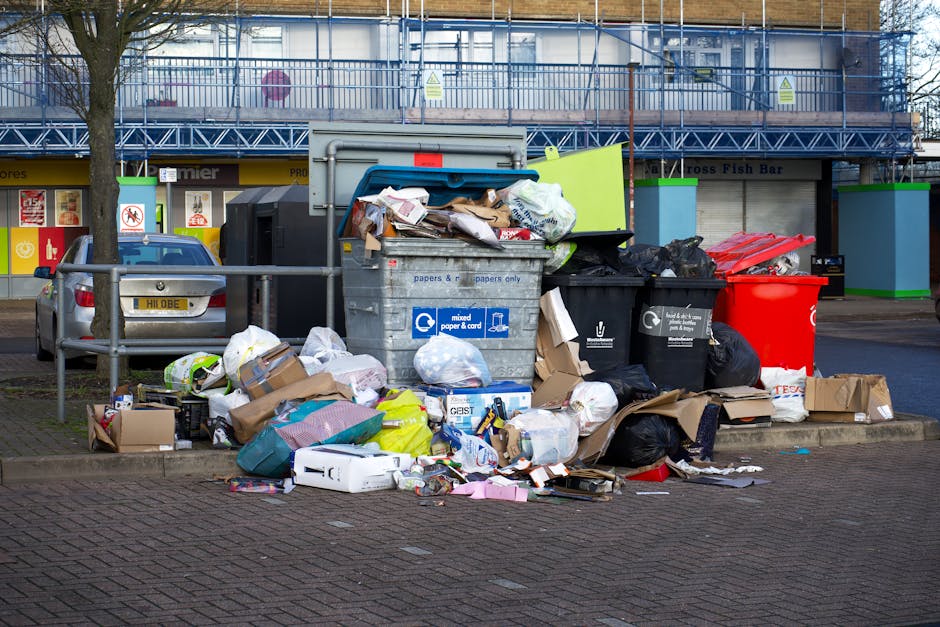
Fly tipping is not just an eyesore. It creates blockages, attracts pests, blocks pavements, and can make whole streets feel neglected in a matter of hours. In a busy borough like Kensington, where bins are shared, access is often narrow, and neighbours notice everything, poor rubbish behaviour tends to get spotted quickly.
For households, the risk is often accidental. A sofa left in the wrong place, a black bag placed out too early, or DIY rubble dumped beside a communal bin can trigger complaints. For businesses, landlords, and contractors, the stakes are higher. Waste left without proper control can affect reputation, licences, access for customers, and in some cases enforcement action.
It also creates a wider trust issue. When one person dumps waste carelessly, everyone else ends up dealing with the smell, the mess, and the extra collection work. Let's face it, nobody enjoys stepping past a torn bag of rubbish on a damp morning. You hear the gulls, smell the bin store, and instantly know a simple task was handled badly.
If you want a broader picture of how local waste services are structured, it can help to review the site's services overview and the guidance on domestic waste collection in Kensington. Those pages are useful if you are trying to match the right disposal route to the type of waste you have.
Expert summary: The cheapest rubbish decision is usually the one made early and correctly. Waiting until the waste is already outside often turns a simple collection into a compliance headache.
How Kensington fines for fly tipping and rubbish compliance Works
In practical terms, rubbish compliance works through a mix of local rules, public-space expectations, and waste-duty responsibilities. Some situations lead to informal warnings, while others can result in penalties if waste is dumped, stored badly, or handed to someone who is not properly authorised.
For many people, the biggest surprise is that liability can follow the person who arranged the waste removal, not just the person who physically dumped it. If you pass waste to the wrong operator, or fail to check basic credentials, you may still be expected to explain what happened. That is why care at the booking stage matters.
A compliant setup usually involves three parts:
- identifying the waste correctly;
- using a lawful disposal method;
- keeping records or proof where appropriate.
For example, a homeowner clearing a flat may need different handling for furniture, electrical items, and general household rubbish. A shop on Kensington High Street may need repeated collections that fit trading hours and access limitations. A contractor on a tight mews road may need a more organised plan than a standard one-off uplift.
If you are dealing with mixed waste, the page on waste carrier licence and compliance is a sensible read. It helps explain why checking who collects your rubbish is not a box-ticking exercise. It is the part that can save you grief later.
Where skips are involved, the rules shift again. If a skip sits on the public highway or blocks access, permits and placement rules matter. For that reason, the guide to Royal Borough of Kensington and Chelsea skip permit rules is relevant if you are planning larger clearances or renovation work.
Key Benefits and Practical Advantages
Good rubbish compliance gives you more than just peace of mind. It keeps projects moving, lowers the chance of complaints, and reduces the chances of turning a cleanup into an enforcement issue.
- Lower financial risk: avoiding fines is the obvious one, but you also reduce the chance of paying twice for a bad collection.
- Better neighbourhood relations: clean bin areas and tidy storage points reduce tension in shared buildings.
- Faster clearances: when waste is sorted and access is planned, removal is easier and usually less stressful.
- Stronger business reputation: customers notice clutter, especially outside shops and hospitality premises.
- Less last-minute panic: compliance planning is cheaper than emergency problem-solving, every time.
There is also a quieter benefit: better waste habits make future jobs simpler. Once you know what needs separating, what needs recording, and what should never be left on the pavement overnight, you stop making the same expensive mistakes.
For properties with frequent turnover or renovation activity, it is worth looking at specific service types such as builders waste removal in Kensington, house clearance, or commercial waste removal. Matching the service to the waste type usually improves compliance and saves time.
Who This Is For and When It Makes Sense
This topic matters to a wider group than people often assume. It is not only for contractors or enforcement officers. In Kensington, plenty of ordinary situations can cross into compliance territory.
- Homeowners and tenants: if you are moving, decluttering, or replacing furniture, you need a lawful disposal route.
- Landlords and letting agents: recurring waste issues in communal areas can become your problem quickly.
- Shops and offices: commercial waste left outside incorrectly can affect both public space and trading reputation.
- Builders and trades: construction and strip-out waste must be handled carefully, especially on narrow streets and mews.
- Event organisers: temporary waste surges after functions need a solid plan, not a guess.
If you have ever stood outside a property at 7:30 in the morning looking at three bags, a broken chair, and a washing machine that no one wants to claim responsibility for, you already know why this matters. The wrong move can create a mess that sits there all weekend.
For a few location-specific perspectives, these can also help: Kensington High Street rubbish clearance guide for shops, South Kensington Station flat rubbish removal and access tips, and common problems with rubbish collection on Kensington mews.
Step-by-Step Guidance
If you want to stay on the right side of rubbish compliance in Kensington, a simple step-by-step process works better than guessing.
- Identify the waste type. Separate general rubbish, bulky items, electricals, garden waste, builders waste, and anything potentially hazardous.
- Check whether collection or storage is allowed. Do not assume that "outside the building" is fine. In shared streets, timing and placement matter.
- Choose the correct disposal method. That may mean council collection, a specialist removal service, a skip permit, or a licensed carrier.
- Confirm who is taking the waste. Ask for proper compliance details. This is especially important for one-off clearances.
- Keep your documentation. Save the booking confirmation, receipt, and any written details about what was removed.
- Check the site after uplift. A quick look can catch missed items before they become a neighbour complaint.
A practical example: if you are clearing out a flat near a narrow access route, move waste inside the property to one final staging point and schedule collection for a time that avoids peak foot traffic. That sounds basic, but it prevents bags being left out too early because the team could not park. Little things, big difference.
If pricing is part of your decision, the page on pricing and quotes can help you think about cost before the waste becomes urgent. For some readers, it is also useful to compare this with avoiding hidden rubbish clearance charges in Kensington, because unclear pricing often leads to rushed decisions.
Expert Tips for Better Results
Here is where experience matters a bit. Most compliance problems are not dramatic; they are boring and avoidable. That is the real trick.
- Do not mix everything together. A mixed pile is slower to process and easier to mishandle.
- Book earlier than you think. Last-minute clearances in busy London streets can be awkward if access is tight.
- Take photos before collection. This helps if there is a dispute about what was removed or what was left behind.
- Watch for repeat waste. If rubbish keeps appearing in the same spot, there may be a storage or access problem rather than a one-off issue.
- Think about neighbours and passers-by. If the waste sits out where people have to squeeze past, complaints are more likely.
Another useful habit is to plan for the awkward items first. Furniture, appliances, and builder offcuts tend to create the most problems because they are bulky, heavy, or hard to classify. You can find more detail on those item-specific needs via furniture removal and white goods and appliance disposal.
A slightly imperfect but honest truth: the calmer you are before the waste leaves the property, the fewer headaches you have afterwards. That is usually how it goes.

Common Mistakes to Avoid
Some mistakes show up again and again. Most are avoidable, but they happen because people are busy or trying to save time.
- Leaving rubbish beside communal bins: even if it feels temporary, it can still count as improper disposal.
- Using an unverified collector: the cheapest option is not always compliant, which can be a nasty surprise later.
- Ignoring access issues: in Kensington, parking and narrow roads are not small details. They are the job.
- Assuming one size fits all: builders waste, domestic waste, and commercial waste are not handled the same way.
- Forgetting hazardous items: some materials need extra care and should never be left with general rubbish.
- Skipping records: if a question comes up later, no paperwork means more stress.
There is also a psychological mistake people make: they treat a rubbish job as something minor, so they do not plan it properly. Then the bag splits, the weather turns wet, or a neighbour spots it. By afternoon, it is suddenly a bigger issue. Happens all the time, honestly.
If your waste comes from work on a property, especially a renovation or strip-out, the most relevant support page is builders waste removal Kensington. For larger homes and probate-type clearances, house clearance Kensington is often a better fit than trying to piece together collections yourself.
Tools, Resources and Recommendations
You do not need a complicated toolkit, but a few simple resources make compliance much easier.
- Phone camera: take before-and-after photos of waste areas.
- Simple waste log: note what was removed, when, and by whom.
- Property access notes: useful for mews, flats, managed buildings, and restricted streets.
- Item separation boxes or labels: helps sort recyclables, electricals, and general rubbish.
- Booking confirmation and receipts: keep them in one place for quick reference.
On this website, a few pages are especially useful if you want to build a cleaner compliance process. The section on recycling and sustainability is helpful if you want to reduce waste rather than just remove it. The insurance and safety page is also worth reading if you are worried about risk during removal or loading.
If you are choosing between service options, the broad services overview can help you narrow the right route without overcomplicating it. And for anyone checking how a provider works behind the scenes, the pages on about us and terms and conditions can help build trust before you book.
Law, Compliance, Standards, or Best Practice
Because this topic involves fines, waste control, and liability, it is sensible to treat compliance as a serious operational issue, not a casual tidy-up. In the UK, waste should be managed so it does not become a nuisance, hazard, or unlawful deposit. In everyday terms, that means waste should be stored, moved, and handed over responsibly.
Best practice usually includes:
- using an appropriately authorised waste carrier;
- keeping clear records of removals where relevant;
- separating recyclable, reusable, and residual waste where practical;
- planning for access, timing, and storage so waste does not end up on pavements or in shared areas;
- being especially careful with bulky items, trade waste, and anything that could leak, spill, or break.
For skip use, permits and placement rules are a major part of staying compliant. For mixed or recurring waste, a structured collection plan is often better than ad hoc disposal. If you are handling business waste in particular, the page on commercial waste removal Kensington is a logical next read.
The practical rule is simple: if the waste leaves your property, you should still know where it is going and who is taking it. That one habit prevents a lot of trouble.
Options, Methods, or Comparison Table
Different waste situations call for different methods. Here is a straightforward comparison that may help you decide.
| Method | Best for | Main advantage | Main risk if used badly |
|---|---|---|---|
| Council-style collection or regular bin use | Routine household waste | Simple and familiar | Overflow, wrong timing, communal mess |
| Licensed waste carrier | Bulky items, mixed loads, one-off clearances | Flexible and practical | Using an unverified carrier can create liability issues |
| Skip hire | Renovation, builder waste, larger clearances | Good for volume | Permit and placement problems |
| Self-haul to a disposal site | Smaller controlled loads | Direct control over waste | Time, transport, and sorting burden on you |
For many Kensington households, a licensed collection service is the easiest middle ground. For trades and landlords, planning around permits, timings, and access often makes the biggest difference. And for busy commercial sites, predictable scheduled collections usually beat improvised clear-outs.
Case Study or Real-World Example
A small Kensington apartment block had recurring issues with mixed rubbish being left beside the bin store. Nothing dramatic at first: a chair, a bag of packing material, a broken lamp. But within a few weeks the area looked messy, odours built up, and residents began assuming somebody else would sort it out.
The management team took a simple approach. They asked residents to separate bulky items, arranged a proper collection time, and made sure the waste was handled by a suitable carrier. They also tightened the communication around what could and could not be left in the communal area.
The result was not magical. No big speech, no fancy system. Just clearer rules and less guesswork. The bin store stopped attracting complaints, the access route stayed cleaner, and the building avoided the kind of repeated waste issues that often lead to escalation.
That is a typical pattern, really. Most rubbish problems improve when people stop improvising and put a basic process in place.
Practical Checklist
Use this checklist before any rubbish leaves your property in Kensington.
- Have I identified the type of waste correctly?
- Is this waste allowed to go out in the way I have planned?
- Do I need a skip permit, special handling, or a different collection method?
- Have I checked that the collector is suitable for the job?
- Have I planned access, parking, and timing?
- Will the waste be left anywhere public-facing before collection?
- Do I need photos, receipts, or other proof of removal?
- Have I separated reusable, recyclable, and residual items where possible?
- Will this cause a problem for neighbours, tenants, or passers-by?
- Have I kept a copy of the booking details in case I need them later?
If you can tick most of those off without hesitation, you are in a much safer place. If not, pause and tidy up the plan first. It is usually cheaper than fixing the fallout.
Conclusion
Kensington fines for fly tipping and rubbish compliance are really about one thing: handling waste with enough care that it does not become someone else's problem. That means checking who collects it, how it is stored, where it goes, and whether your chosen method suits the actual waste you have.
The good news is that compliance is not complicated once you build a few good habits. Sort the waste, plan the access, keep a record, and use the right disposal route. Do that consistently and you avoid most of the nasty surprises.
If you are managing a home clearance, a shop, a building project, or a recurring waste issue, the best next step is to choose a compliant collection route early rather than late. It saves time, protects you from avoidable penalties, and keeps Kensington looking the way residents expect it to look: tidy, usable, and respected.
Get a free quote today and see how much you can save.