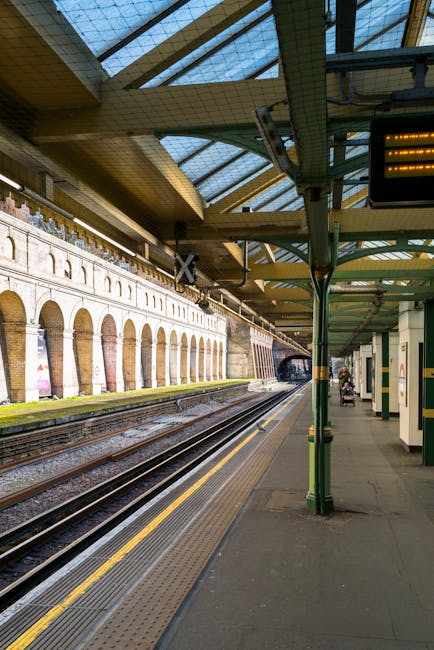
South Kensington station flat rubbish removal and access tips
Posted on 15/05/2026
If you live in a flat near South Kensington station, rubbish removal can feel oddly complicated for such a simple job. One minute you're clearing a sofa, the next you're thinking about narrow stairwells, basement steps, parking restrictions, lift access, neighbours, and whether the item will even fit through the front door. That is exactly why South Kensington station flat rubbish removal and access tips matter: a clean plan saves time, reduces disruption, and keeps the whole thing calm rather than chaotic.
In this guide, we'll walk through the practical side of flat clearance around the station area, from access planning and common building layouts to compliance, pricing factors, and the little details that make a removal day run smoothly. If you're comparing services, you may also want to look at the broader services overview and the company's page on pricing and quotes so you know what to expect before anything is booked.
Truth be told, most problems in flat rubbish removal are not about the waste itself. They're about access. The lift is too small, the parking bay is occupied, the item is heavier than it looked in the bedroom, or the booking was made without checking the route out of the building. A bit of planning goes a long way. A very long way.
Below, you'll find a practical, local-minded breakdown that should help whether you're clearing a single bulky item, a landlord turnover, or a full flat after a move.
Why South Kensington station flat rubbish removal and access tips Matters
South Kensington is a busy, well-connected part of London, which is great for living there and not always so great for moving bulky waste out. Flats near the station often sit in mansion blocks, conversions, or period buildings with awkward stairs, slim hallways, or shared entrances. Some have lifts, but not the generous kind that swallow a mattress without a fuss. Others have basement flats where the route out is all elbows, corners, and low ceilings.
That matters because removal work is rarely just about loading a van. If access is poor, even a straightforward collection can become slower, more disruptive, and more expensive. If access is planned well, the same job can be neat, quick, and much less stressful for everybody involved. Neighbours notice too, especially in buildings where sound carries and the front lobby is shared. No one wants a wardrobe scrape at 8:00 in the morning, to be fair.
Good access planning also helps avoid damage. Stair edges get chipped. Walls get marked. Doors catch on bulky items. And once a heavy item starts wobbling on a landing, nobody is having a good time. A careful approach protects both your flat and the communal areas, which is particularly important in well-kept buildings where residents expect things to be left tidy.
There's another reason this topic matters: waste should be handled properly, with the right carrier and the right disposal route. Reputable providers will explain their process clearly, and you can always review their waste carrier licence and compliance information before booking. That small check can save a lot of trouble later.
How South Kensington station flat rubbish removal and access tips Works
The basic workflow is simple enough, even if the building access is not. You identify what needs to go, assess how it can leave the flat, choose the right removal method, and agree the collection window and loading approach. The real skill sits in the middle part: planning the route out of the building and the route to the vehicle.
For flat clearances near South Kensington station, the process usually includes a few practical checks:
- What items are being removed and whether any are fragile, hazardous, or especially heavy.
- Whether there is lift access, and if not, how many floors and flights of stairs are involved.
- Whether the collection vehicle can stop close enough without causing access issues.
- Whether building management, concierge staff, or neighbours need notice.
- Whether there are time restrictions for loading, quiet hours, or shared entrance rules.
Most reputable operators will ask these questions before arrival. If they don't, that's a bit of a red flag. The more they know, the smoother the day will be. For general domestic jobs, the team may also explain how this differs from standard domestic waste collection in Kensington, because flat access can change the logistics quite a bit.
In practice, the removal team may use protective equipment, two-person lifts, stair carries, sack trucks, or dismantling tools for items that will not safely fit through the route. A sofa that seems impossible often becomes manageable once the feet are removed and the cushions are taken out. Same with wardrobes. Small adjustment, big difference.
If the flat contains larger household pieces or a full room's worth of furniture, the job may overlap with furniture removal or even a more complete house clearance service in Kensington. That is useful when you are dealing with an estate flat, a rental turnover, or a long-overdue declutter after a move.
Key Benefits and Practical Advantages
A well-planned flat rubbish removal job does more than just clear space. It reduces friction all round. That may sound slightly grand for a couple of old chairs and a broken desk, but the effect is real.
Here are the main advantages:
- Less disruption: A good plan means less time in communal hallways, fewer repeated trips, and less noise.
- Lower risk of damage: Careful access planning protects walls, banisters, floors, and doors.
- More accurate quotes: If access is described properly, the estimate is usually more realistic.
- Faster completion: Knowing the route out avoids delays on the day.
- Better handling of awkward items: Bulky or fragile pieces can be dismantled or padded in advance.
- Cleaner disposal choices: Items can be sorted for reuse, recycling, or specialist disposal where appropriate.
For many residents, the biggest benefit is peace of mind. You know the job will be done without awkward surprises. No one is standing in the stairwell trying to work out how to pivot a mattress at 45 degrees. Been there, done that, never again.
There is also a sustainability angle. If your waste is sorted properly, some materials can be diverted from general waste. You can read more about the broader approach on the company's recycling and sustainability page, which is helpful if you care about keeping usable items in circulation and minimising unnecessary landfill use.
And for people who live in buildings with a sensitive concierge setup, good removal practice can help maintain relationships. That sounds small, but in a block where everyone sees everyone, being the resident whose clearance was neat and considerate is worth its weight in gold. Or at least worth a smile in the lift.
Who This Is For and When It Makes Sense
This kind of service is useful for a surprisingly wide range of people. Some readers need a quick one-off collection. Others need a more careful, staged removal because the building or the items make access trickier than expected.
It tends to make sense for:
- Residents in mansion blocks, conversions, or basement flats near South Kensington station.
- Tenants who are moving out and need to leave the flat clear.
- Landlords and letting agents between tenancies.
- Homeowners renovating a flat and clearing old fixtures or furniture.
- People disposing of bulky items that are too large for normal bin collections.
- Anyone who wants a quick, tidy alternative to hiring a van and trying to do it themselves.
It also makes sense when your schedule is tight. If you are balancing work, family, and the general London chaos of a weekday, the ability to book a collection with access details already factored in is a real help. A lot of people try to do this on a weekend and then realise the lift is booked, the road is busy, and the old dresser has become a doorway-shaped problem. Not ideal.
If you are handling a more complex clearance, it may be worth exploring the provider's broader service pages, such as builders' waste removal in Kensington for renovation debris or appliance disposal for fridges, freezers, or washing machines that need special handling.
Step-by-Step Guidance
Here is the simplest way to approach rubbish removal from a flat near South Kensington station without making it harder than it needs to be.
- Make a room-by-room list. Write down every item you want removed. Separate furniture, black bags, white goods, and anything breakable.
- Check access route details. Measure the lift, stair width, and door openings if the items are large. If you can, note sharp bends and low ceilings too.
- Identify parking or stopping options. Find out where a vehicle can safely pause. If there is no immediate access, mention that early.
- Ask about building rules. Some blocks require notice to management. Others have loading windows or specific entrance instructions.
- Set aside anything staying in the flat. This sounds obvious. It isn't always obvious on moving day, though.
- Group items by type. Keep furniture, general waste, metals, and electricals separate if practical.
- Take photos if the access is awkward. A quick picture of the stairwell or loading point can be very useful.
- Confirm what happens on arrival. Ask whether the team needs you present, how they will assess access, and whether dismantling is included if needed.
- Protect shared areas in advance. If possible, clear the hallway and warn neighbours when bulky items are being moved.
- Do a final sweep. Check cupboards, behind doors, under beds, and in storage spaces. People always forget one thing. Always.
If you want a sense of how a broader clearance visit is structured, the provider's about us page can help you understand their working style and how they approach local jobs.
Practical tip: if an item might need dismantling, mention it before collection day rather than assuming the team will "sort it on the spot." Some teams can, some cannot, and that difference can affect the whole schedule.
Expert Tips for Better Results
The best access tips are the boring ones, which is exactly why people sometimes skip them. Then the job gets slower. Funny how that works.
1. Measure the awkward bits, not just the room
People often measure a sofa and forget the corridor bend. Or the lift door. Or the basement turn at the bottom of the stairs. The awkward bit is usually the real problem. Measure that first.
2. Photograph the route out
A few photos can tell a removal team more than a paragraph of description. A snapshot of the stairwell, main entrance, and any parking restrictions gives useful context. It also reduces misunderstandings.
3. Clear the route the night before
Boxes in the hallway, shoes by the door, recycling bags, umbrella stands - they all become obstacles in a hurry. Move them out of the way before collection time if you can.
4. Separate special items early
White goods, electronics, and anything with a motor or refrigerant may need separate handling. If you know the item category in advance, the team can prepare the right approach. See the dedicated white goods disposal service for more detail.
5. Think about neighbours and noise
In flats near the station, sound can travel in odd ways. A little courtesy goes a long way. Let people know if large items are being taken down the staircase, especially early in the day.
6. Keep the quote conversation honest
If access is tight, say so. If there is no lift, say so. If the collection point is around the back of the block and not the front, say so. You want a realistic quote, not a hopeful one that falls apart when the team arrives.
And yes, the fastest way to ruin a simple removal is to say, "It should be fine." Sometimes it is. Sometimes it really, really isn't.
Common Mistakes to Avoid
Most mistakes in flat rubbish removal are avoidable. That is the annoying part. The good news is that once you know the common traps, you can side-step them quite easily.
- Ignoring access until the day of collection. This is probably the biggest issue. If the crew discovers a narrow stairwell or no stopping point at the last minute, everything slows down.
- Underestimating item size. A wardrobe might look fine in the bedroom and impossible in the hallway. That happens more often than people think.
- Forgetting building rules. Some blocks need advance notice, especially if there is a concierge or shared loading area.
- Leaving loose items everywhere. Small clutter creates trip hazards and makes the job feel messier than it needs to be.
- Assuming all waste is handled the same way. Electricals, mattresses, and heavy furniture can require different handling routes.
- Booking without checking compliance. A licensed, insured provider is much safer to use than someone vague about paperwork. That part matters.
There is also a subtle mistake people make: trying to "help" by moving the item halfway and then realising it is now wedged in the landing. It comes from a good place, but sometimes less is more.
Tools, Resources and Recommendations
You do not need a warehouse of equipment to prepare for a flat clearance, but a few simple tools can make things easier. If you are handling a small amount yourself before the removal team arrives, this is the kind of kit that helps:
- Measuring tape for doors, lifts, and corridors.
- Phone camera for access photos.
- Strong bin bags or rubble sacks for smaller loose waste.
- Furniture blankets or old sheets to protect surfaces.
- Basic screwdriver set for dismantling simple items, if safe to do so.
- Label stickers or tape to mark items that must not be removed.
For a more informed choice, it can help to review service pages that explain the company's approach to safer work. The insurance and safety information is useful if you want reassurance around property protection and on-site practices. You may also want to understand the company's payment and security details if you're booking online or paying remotely.
If you are comparing companies, the strongest clue is usually not the slickest headline. It is the clarity of the information they give you. Do they explain access? Do they mention licencing? Do they talk about recycling and sorting? Do they have clear terms? Those are the signs that the service is properly run rather than improvised on a Tuesday morning.
If you like reading around the local area before making decisions, there are also helpful background pieces such as a resident's perspective on Kensington and the Kensington property sales and purchases article, both of which give a sense of how movement, homes, and local living intersect in this part of London.
Law, Compliance, Standards, or Best Practice
Rubbish removal is not just a practical task; it also sits within a framework of responsible waste handling. You do not need to become a legal expert, but you should expect the provider to operate in line with UK waste carrier requirements and general duty-of-care principles. In plain English, that means waste should be collected, transported, and disposed of by a legitimate operator with the right paperwork and processes.
Before booking, it is reasonable to ask whether the business has a valid waste carrier registration and how it handles recycling, transfer, and disposal. A trustworthy company should be happy to explain this. If you want a deeper look at their compliance commitments, the page on licensing and compliance is the right place to start.
Best practice also includes sensible safety standards on site:
- Proper lifting methods for heavy or awkward items.
- Protection for communal floors and entryways where needed.
- Care around glass, sharp edges, and electrical equipment.
- Clear communication about access limitations.
- Respect for residents, building rules, and time restrictions.
For jobs involving builders' rubble, plasterboard, old fittings, or renovation offcuts, the expectations are a little different again. In those cases, a dedicated builders' waste removal service is often the better fit than a general flat clearance, because the handling and sorting needs can be more specific.
If you are disposing of a sofa, bed frame, or dining set, the main compliance point is still simple: use a proper service that knows where the waste is going. That small decision makes the whole thing cleaner, safer, and easier to stand behind.
Options, Methods, or Comparison Table
There are a few ways to deal with rubbish from a flat near South Kensington station. The right choice depends on item size, access, time pressure, and how much effort you want to put in yourself. Here is a straightforward comparison.
| Method | Best for | Pros | Limitations |
|---|---|---|---|
| Self-removal | Small loads, easy access, light bags | Can be cheap if you already have transport | Time-consuming, physically demanding, tricky in tight flats |
| Man-and-van style collection | Bulky items, mixed household waste, limited time | Flexible, quick, suited to awkward access | Needs clear access details for accurate pricing |
| Full flat clearance | End-of-tenancy, probate, major declutter | Handles large volumes in one visit | May require more planning and building coordination |
| Specialist disposal | Appliances, hazardous or regulated items | Better handling of specific waste streams | Not suitable for everything |
If your flat is easy to access and you only have a few bags, self-removal might be enough. But if there is a staircase, a shared entrance, a loading restriction, or an item that needs dismantling, a professional collection is usually the calmer option. Lets face it, peace of mind is worth something.
Case Study or Real-World Example
Consider a typical flat near South Kensington station: one bedroom, second floor, no lift, a narrow internal stairwell, and a sofa bed that has seen better days. The resident has a deadline because the tenancy ends in two days. The sofa bed will not fit through the bedroom door in one piece, and the building's front entrance is only wide enough for one person at a time.
Here is how a sensible removal would usually unfold. First, the resident sends photos of the sofa and the staircase. Second, the team checks whether the sofa can be dismantled and whether the route from flat to street is realistic. Third, the collection is scheduled for a time when the entrance is quieter and the resident can help keep the hallway clear. On arrival, the team removes cushions, takes off the bed mechanism if needed, wraps anything sharp, and carries the pieces down carefully.
The result? No wall damage, no last-minute panic, and no desperate attempt to wedge a sofa through a doorway that clearly does not want a sofa. It's not glamorous. It is, however, exactly how you want these jobs to go.
In a similar sort of project, the team might also collect smaller items from the flat and sort them separately, with any reusable furniture diverted in line with the company's recycling approach. If you are dealing with a combination of furniture, general household waste, and a couple of appliances, the mix can often be handled in one visit, provided access is planned properly.
That is the quiet value of good preparation: the job starts and ends with less drama than expected. Which, in a London flat, feels like a small luxury.
Practical Checklist
Use this checklist before the collection day. It is simple, but it catches most of the usual snags.
- List every item to be removed.
- Measure doors, hallways, and lifts if anything is bulky.
- Take photos of the access route.
- Confirm whether the building needs advance notice.
- Check where a vehicle can stop or load safely.
- Separate furniture, bags, appliances, and special items.
- Clear the hallway, entrance area, and immediate route.
- Confirm whether dismantling is needed.
- Ask about insurance and waste carrier compliance.
- Keep valuables, paperwork, and essentials out of the clearance zone.
Expert summary: if you do only three things well, make them this: describe access honestly, photograph the awkward bits, and keep the route clear. Those three steps solve a surprising amount of trouble.
Conclusion
South Kensington station flat rubbish removal works best when the access plan is treated as seriously as the waste itself. That means checking stairwells, lifts, parking, building rules, item sizes, and the disposal route before collection day arrives. Once those pieces are in place, the job becomes much easier, cleaner, and less disruptive.
Whether you are clearing one bulky item, getting ready for a move, or emptying a whole flat, the same principle holds true: good access planning saves time and reduces stress. It also helps you choose the right service, avoid damage, and keep things compliant and tidy. Small preparation, big payoff. Simple as that.
If you want help planning your collection, comparing options, or understanding what your flat needs before booking, start with the service information and ask for a quote that reflects your actual access conditions.
Get a free quote today and see how much you can save.
And if you have ever stood in a hallway wondering how a mattress became heavier on the way out than it looked on the way in, you are definitely not alone. A good plan makes all the difference, and then the flat feels lighter in every sense.